Glamping Tasmania, or glamorous camping, even luxury camping is as the name suggests – camping but with all the creature comforts of home. Glamping is designed for people who want to experience camping or who love the idea of camping and getting back to nature but aren’t excited by the idea of sleeping on the hard ground, being subject to rain or being cold, or leaving a ‘real’ toilet and shower behind. More traditional campers would laugh at the idea of glamping, as they don’t consider it to be real camping. But why not? Many might say it is very smart, everything is done for you and you get to experience camping but with some luxury touches thrown in. Generally when you go glamping, everything is already prepared before you reach the campsite or campground. This includes the tent, bedding, lights and power supply and generally all set up on some form of platform. Again, generally glamping tents aren’t the same as normal camping tents, but rather when glamping you’ll sleep in either a yurt, teepee, safari tent or canvas bell tent. One major benefit is that compared to the standard four-person dome tent that you’re probably familiar with, glamping tents are huge to the point where they can easily fit a double bed. See: Best Camping Tasmania
Wingtons Glamping
Domescapes Tasmania, Tamar Valley
Bay of Fires Bush Retreat, larapuna / Bay of Fires
Spring Bay Mill, Triabunna
Van Diemen Glamp Co, pop-up camps North-West Tasmania
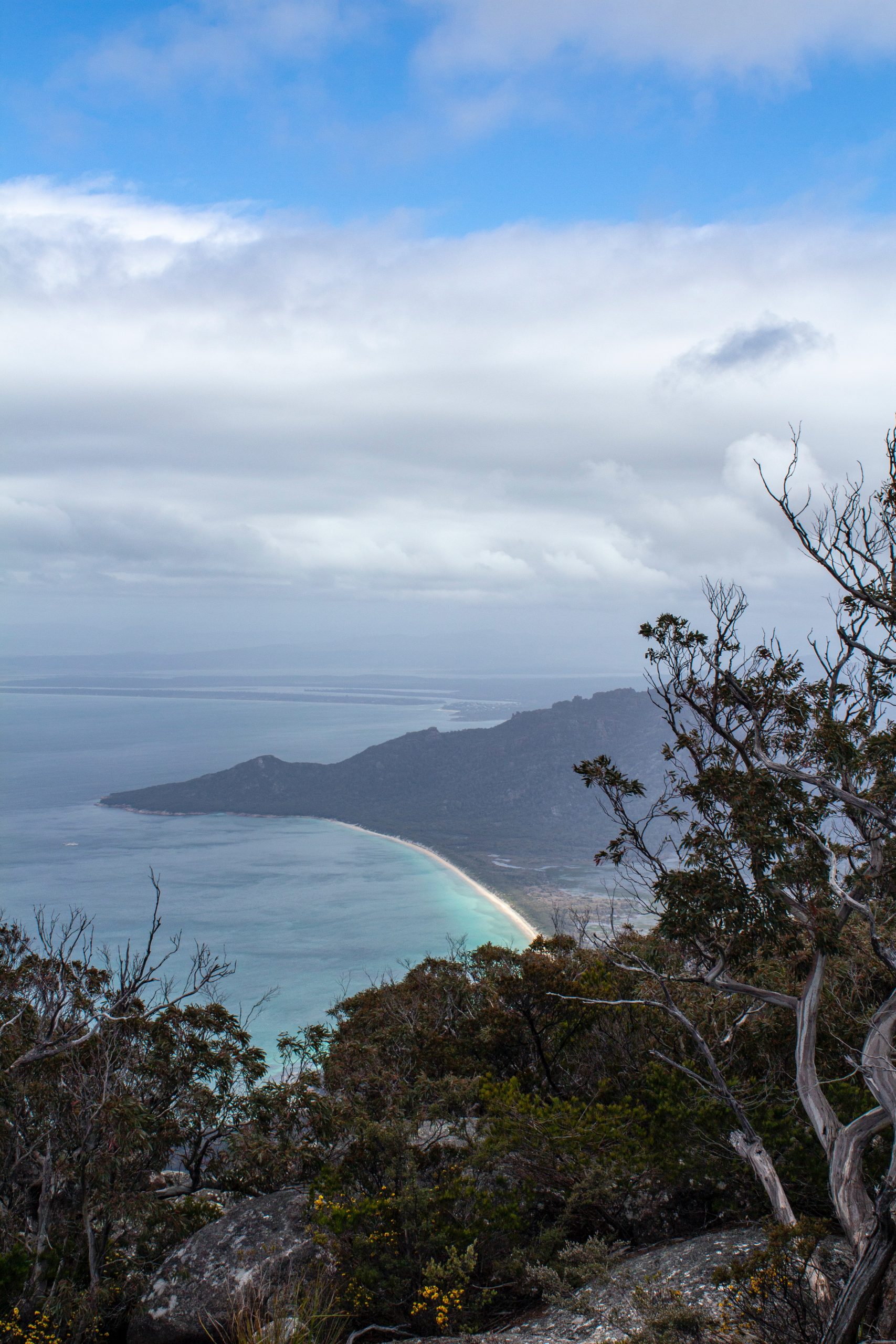
Coles Bay is one of the most popular tourist destinations in Tasmania, drawing visitors from all around the world to view Wineglass Bay and to explore the Freycinet National Park. Due to its stunning beauty and the diversity of the activities you can undertake in this part of Tasmania, it is also a haven for local (people from all across Tasmania) to head to Tasmania’s sunny East Coast and to camp in Coles Bay and the Freycinet National Park. There are a range of campgrounds in the Coles Bay area and the Freycinet National Park, both free and paid. But please note, it is near on impossible to get a campsite in this area from mid-December until after the Australia Day long-weekend. Many interstate visitors simply arrive in Coles Bay towing a large caravan in late December / early January only to learn that a ballot operates to assign campsites during Christmas and again at Easter. The ballot closes towards the end of July each year and is drawn on the 1st August to allocate sites for the Christmas summer season period from 18th December to 10th February and also over Easter. One entry per family or group is permitted for Christmas and another may be entered for Easter. If successful, the maximum stay is 10 nights for up to 6 people per site. For the non-ballot period, bookings for campsites can be pre-booked through the Freycinet Visitor Centre and full payment is required to hold the campsite. Outside of the Ballot period the maximum length of stay is 14 nights. Each site can accommodate up to 6 people. Please notify the Visitor Centre if you plan to arrive a day late. All bookings not taken up by the first night will be deemed a no show and cancelled (cancellation fees will apply). At all times of the year, please don’t just turn up and expect to be able to camp at Richardsons Beach of Honeymoon Bay – always call as far ahead as possible and seek a reservation. There are two campgrounds outside the National Park that can’t be booked – all camping is on a first come, first serve basis. These are River & Rocks and Friendly Beaches, but again they are extremely popular from mid-December until early February each year and again at Easter. Freycinet is a Fuel Stove Only area as it is very dry and vulnerable to fire (most recent fires September 2023). Fires are NOT allowed in the Freycinet National Park. Gas and fuel stoves can be used except on days of Total Fire Ban, when no naked flames of any sort, including gas and fuel stoves, are allowed in open areas. The electric barbecues provided at Ranger Creek and Honeymoon Bay picnic areas can be used for cooking on these days. Unpowered sites are $13 per night for 2 people, with powered sites $16 per night for 2 persons. Each additional adult is $5 in an unpowered site, and $7 in a powered site up to a maximum of 6 people per site.
Bookings are required at all times of the year – camping is not possible from 18 December until 10 February and again over Easter unless you have been successful in securing a campsite in the annual camping ballot Freycinet National Park. The Richardsons Beach Campground is adjacent to the visitor centre and has accessible toilets, and accessible powered and unpowered sites. for recreational vehicles.
Bookings are required at Honeymoon Bay. The campsites at Honeymoon Bay are individual, tent-only camping nodes situated on a granite knoll overlooking Honeymoon Bay. The sites are only open over summer holidays and at Easter and require a small walk to the amenities. There are electric barbecues, picnic tables, non-treated water and toilets available in this area.
Bookings are not possible at River & Rocks. The River and Rocks campsite is located app. 20 km south of the turnoff to Coles Bay and is signposted off from the Tasman Highway. River Rocks campsite is easily accessed and suitable for big rigs including motorhomes, caravans, camper trailers and campervans as well as for basic tent camping. It is only fairly small and fills to overflowing during the busy Summer holidays and over Easter.
Friendly Beaches campground Coles Bay Freycinet National Park offers free campsites in an amazing location. Friendly Beaches is small and best suited to small vehicles and camping in tents – bookings are NOT possible, and you must carry your own water, and a fuel stove. Fishing, surfing, diving, walking on the beach. Ranger present during Spring, Summer & Autumn, must have a National Parks Pass. This campsite is only small, and almost always full from mid-December until early February.
Bookings are required – camping at Rangers Creek is not possible from 18/12 to 10/2 each year unless you have been successful in the annual camping ballot. This campsites at Ranger Creek are next to Richardsons Beach and Honey Moon Bay and are a perfect spot to explore Freycinet National Park’s many attractions like the walk to Wineglass Bay.
The Cooks Beach campground is suitable for walk-in camping only, and is located some 12km from the Freycinet Ranger Station. The walk to the small Cooks Beach camping area will take 3-4 hours one way. There is a rainwater tank, but it is unreliable – especially during Summer so please carry plenty of water. Freycinet is strictly a fuel stove only area. Camping is free of charge, but you must have a valid National Parks Pass.
For overnight bushwalkers there are small campsites at Wineglass Bay, Hazards Beach and Cooks beach. There is a rainwater tank, but it is unreliable – especially during Summer so please carry plenty of water. Freycinet is strictly a fuel stove only area. Camping is free of charge, but you must have a valid National Parks Pass.
Freycinet Campgrounds – Caravan Park Camping / Other Camping Options Freycinet National Park
If you miss out on a campsite at Freycinet, free or paid, there are other options but we again urge you to book well in advance. They include Freycinet Paintball, The Pondering Frog, Big4 Iluka Caravan Park and the Freycinet Golf Club Campground. Click on each link to read more.
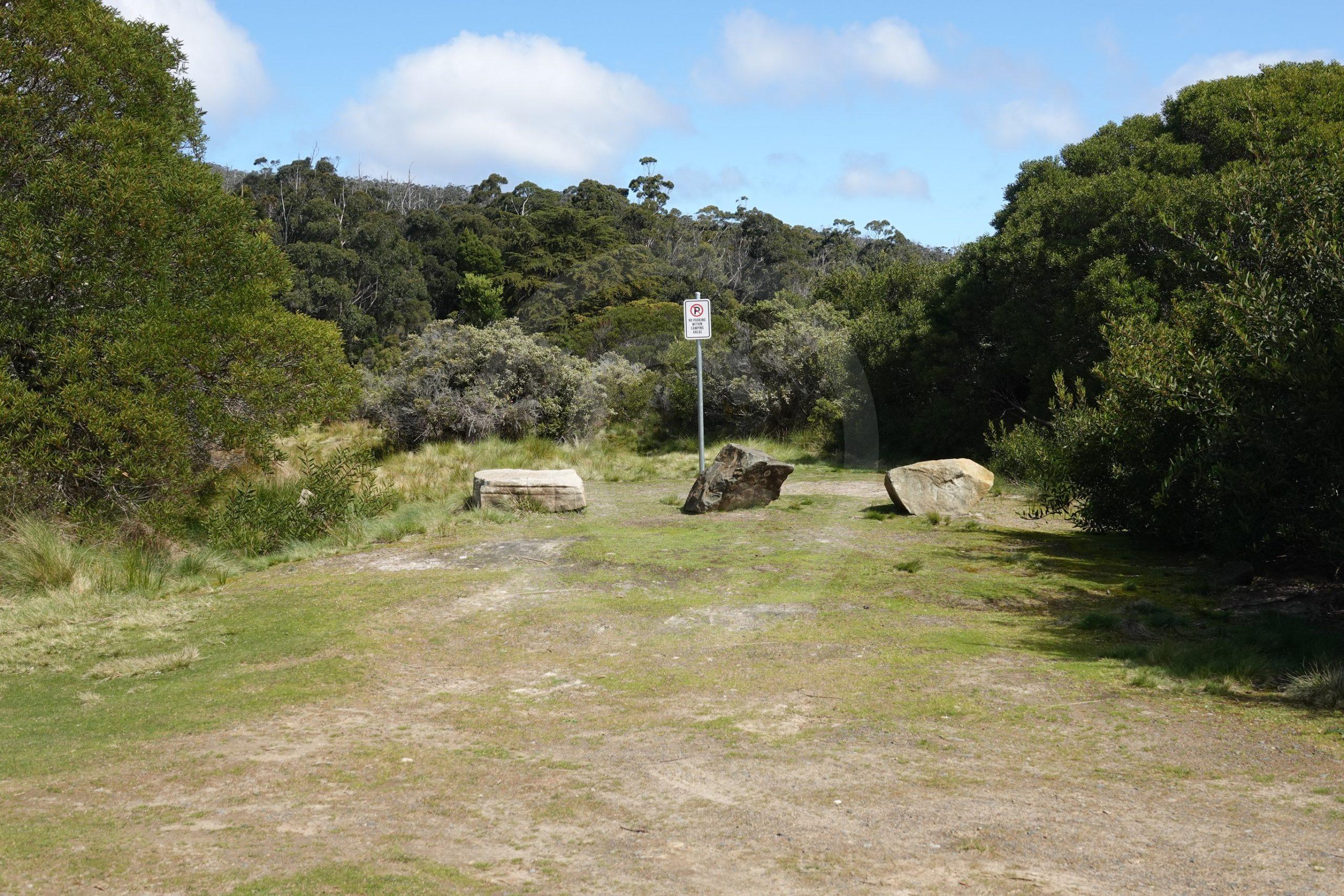
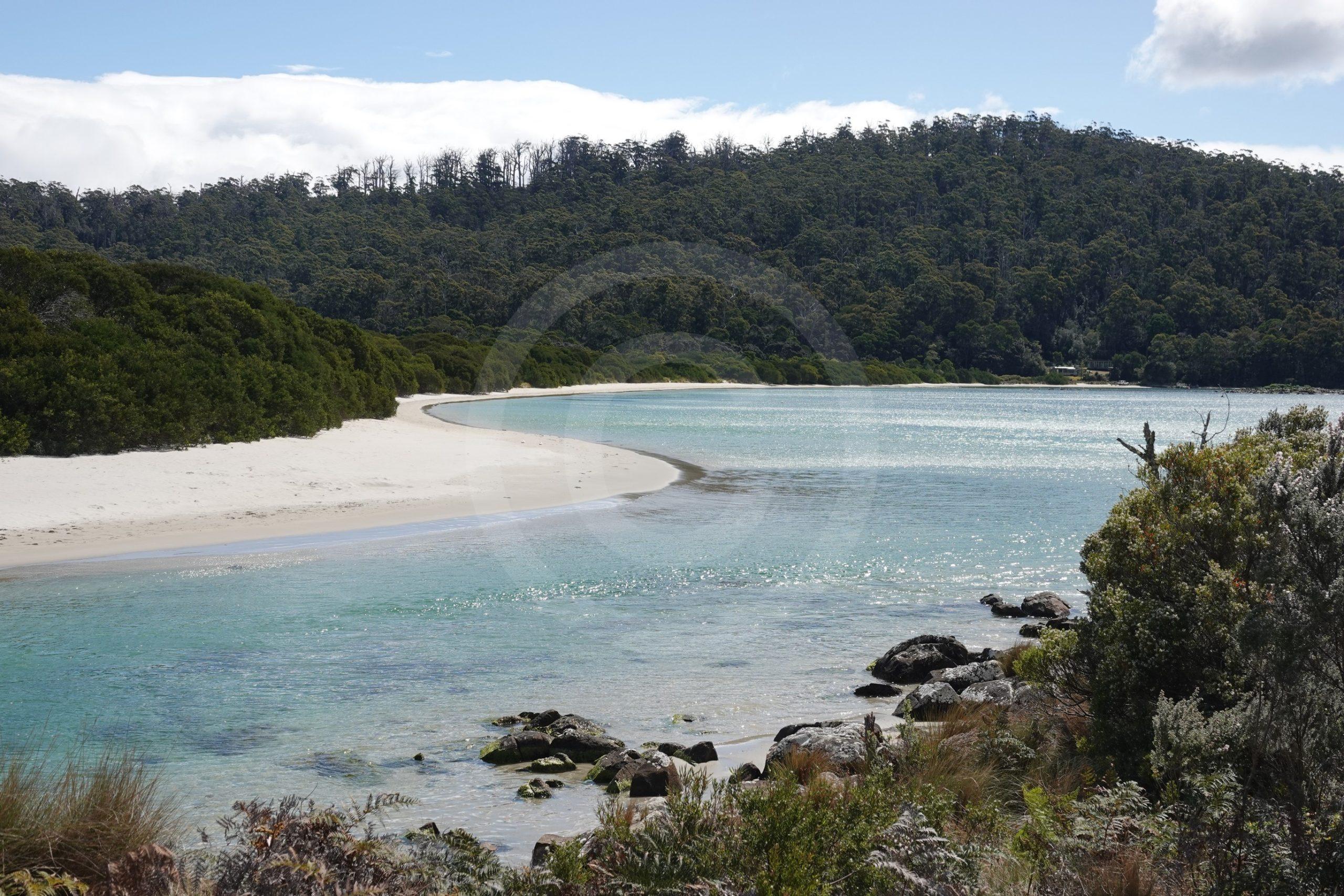
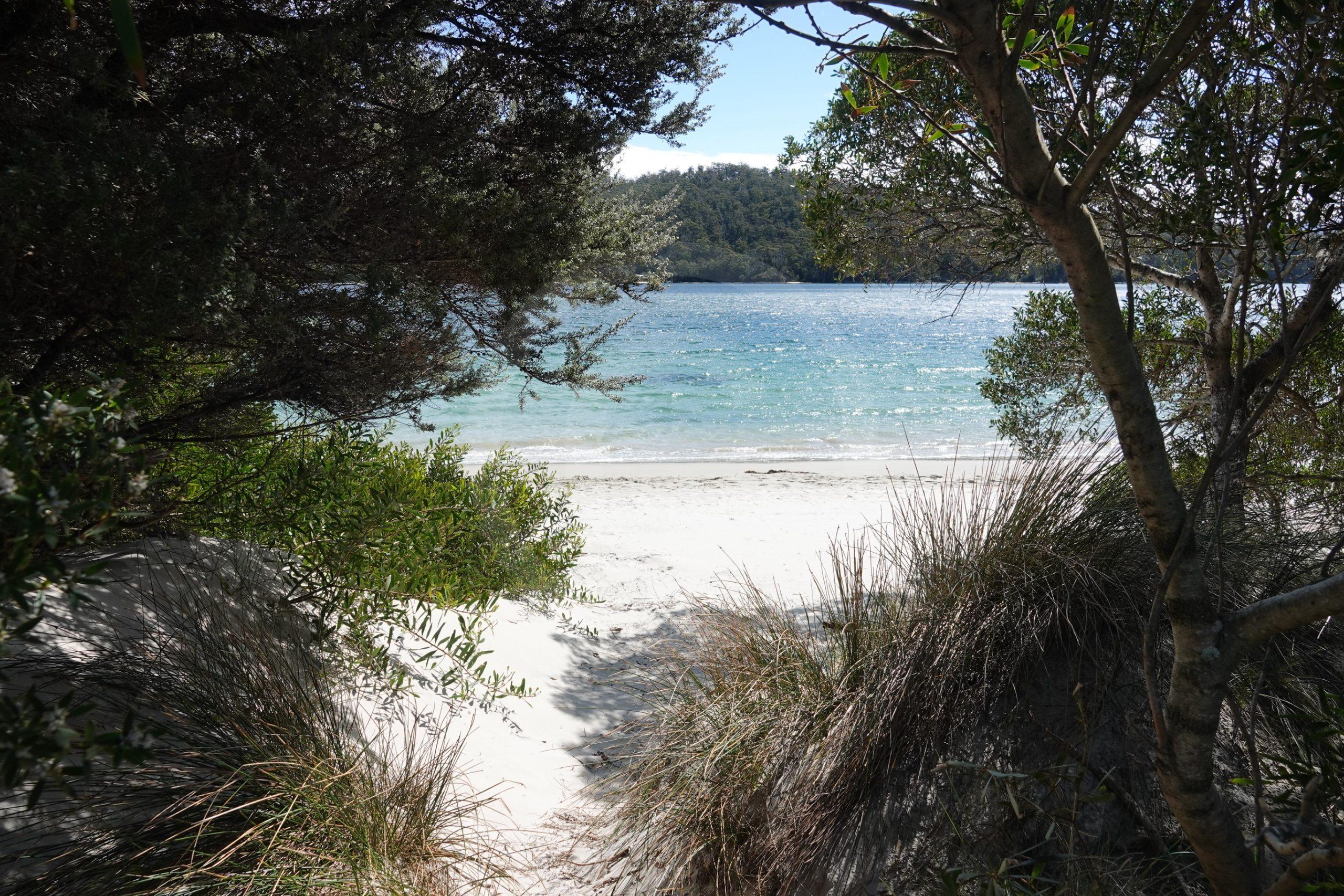
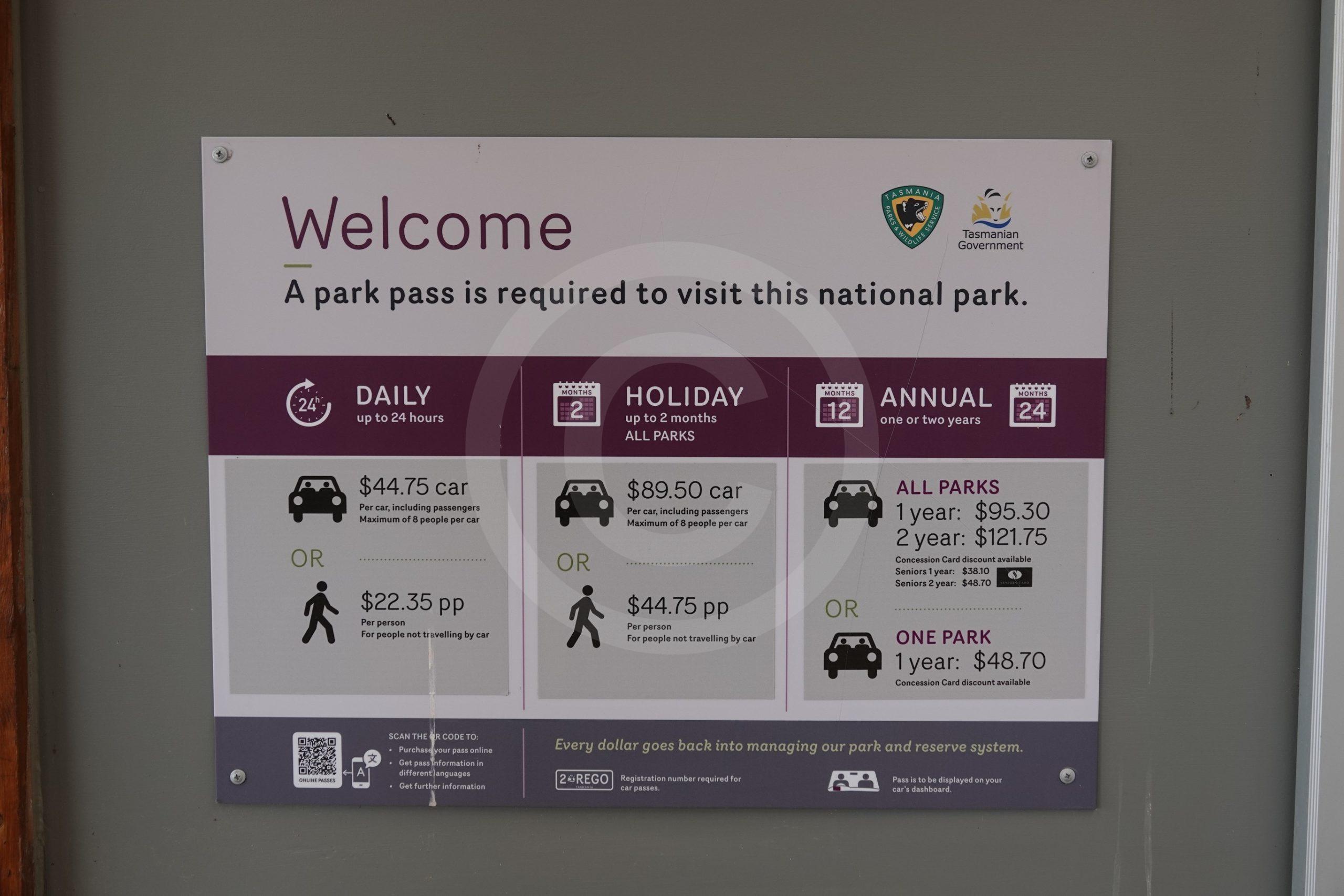
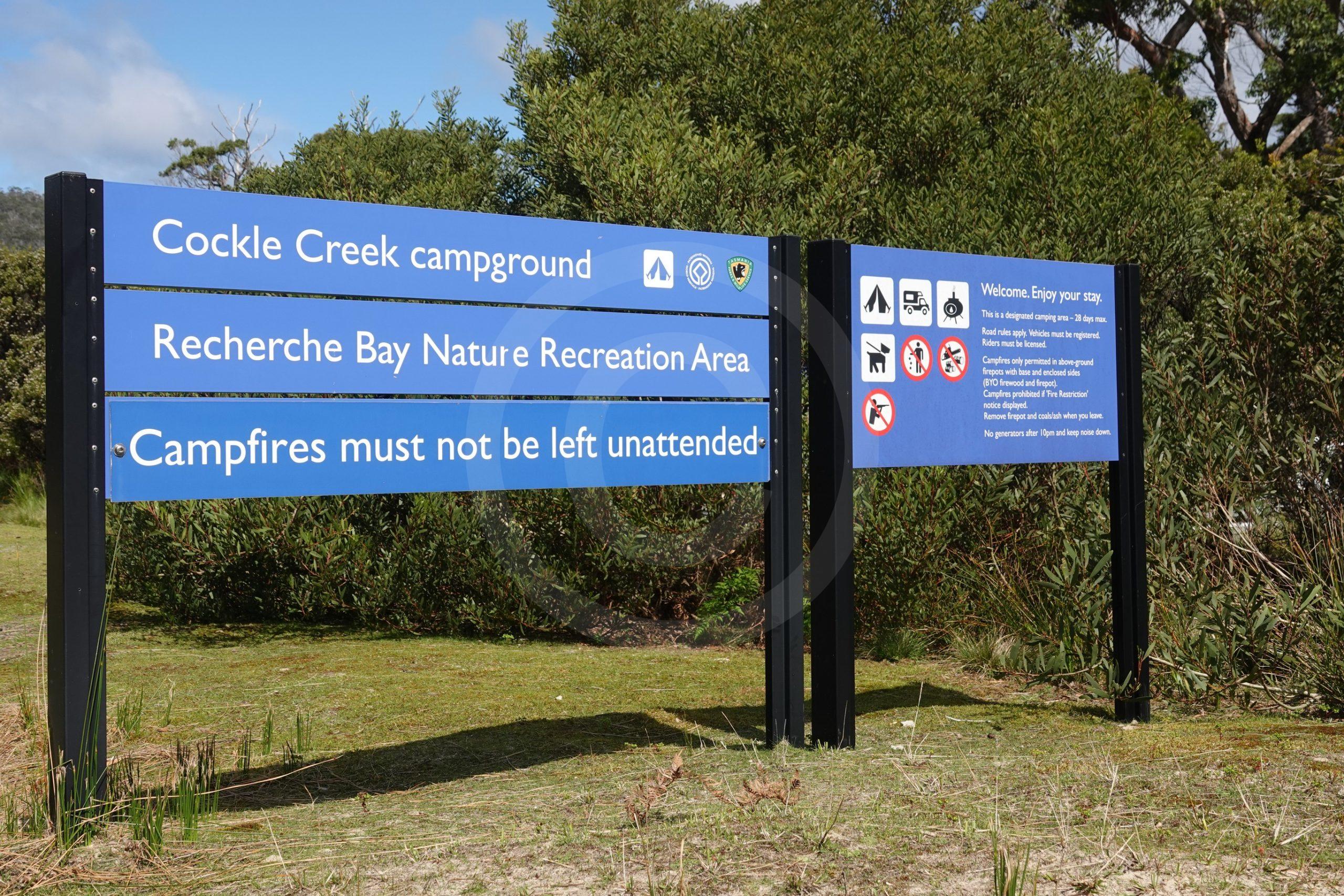
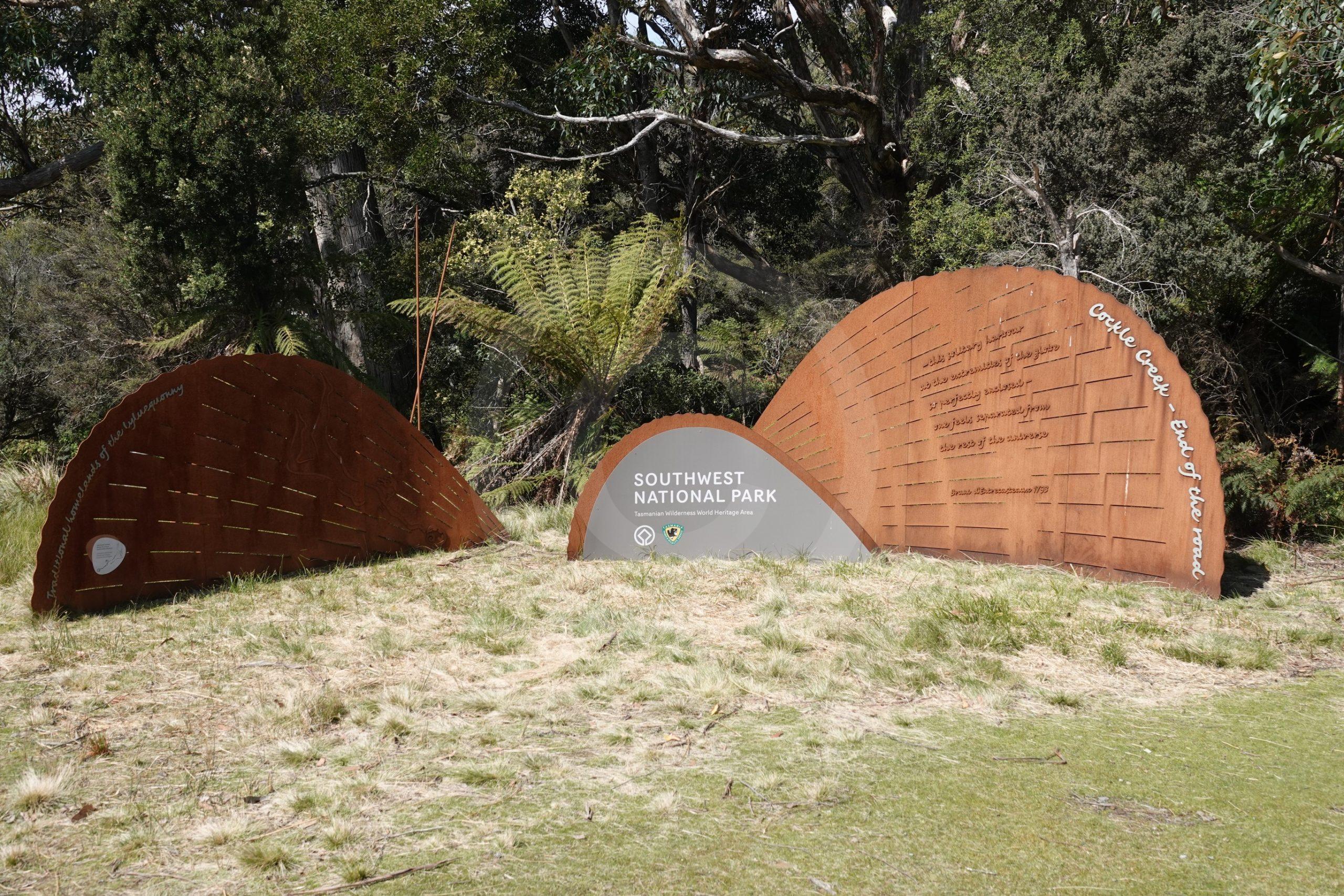
Cockle Creek is as far south as you can travel in Tasmania in the Southwest National Park. It is a haven for bushwalkers and campers with Cockle Creek offering multiple camping options and a number of short and longer bushwalks. Cockle Creek is well known as the end point for one of Tasmania’s best multi-day walk, the South Coast Track. Cockle Creek is an app. 2hr drive, or 120 kilometres south of Hobart with the last 20 kilometres, from the small settlement of Lune River, being a gravel road that is narrow in part and sometimes in poor condition necessitating driving with care. Camping at Cockle Creek is free and no bookings are accepted – all camping is on a first-come, first-served basis. There are no shops or services at Cockle Creek, meaning you will need to take in all supplies. There are supermarkets on the way to Cockle Creek from Hobart in Huonville and Dover. It is important to note that there are multiple campsites outside the national park, and where a National Parks and Wildlife Pass is NOT required. If you travel over the bridge, you enter the National Park where you will see the visitor centre on the right and where a National Parks Pass IS required. Please also note that NO DOGS are allowed past the bridge.
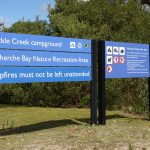
The campgrounds outside the National Park at in the Recherche Bay Nature Recreation Area. Dogs are allowed in The Recherche Bay Nature Reserve – you must keep your dog under control at all times. Dogs must be kept on a lead in the campgrounds and prevented from wandering outside of camping areas, noting there is a lot of wildlife in this area. Dogs are allowed off lead and under effective control, where signed on Finns Beach, Gillams Beach and Jones Beach.
The first campground you come to is Gillams Beach Campground which is is located app. 15.5 km south of Ida Bay – Finns Beach Campground is a further 500 metres along the road. If you continue south for another 1.1 km you will reach the Catamaran Campground which has a boat ramp and is popular with fishermen. Ramsgate Campground is located a further 3 km south of Catamaran commencing at the northern end of Sayers Beach and finishing at the Cockle Creek Cemetery, being a significant attraction in the area. Cockle Creek Campground is located between the cemetery and bridge and beyond the bridge. The campgrounds on offer in order from when you enter Cockle Creek from Lune River are briefly described as follows – click on the link for more detailed information.
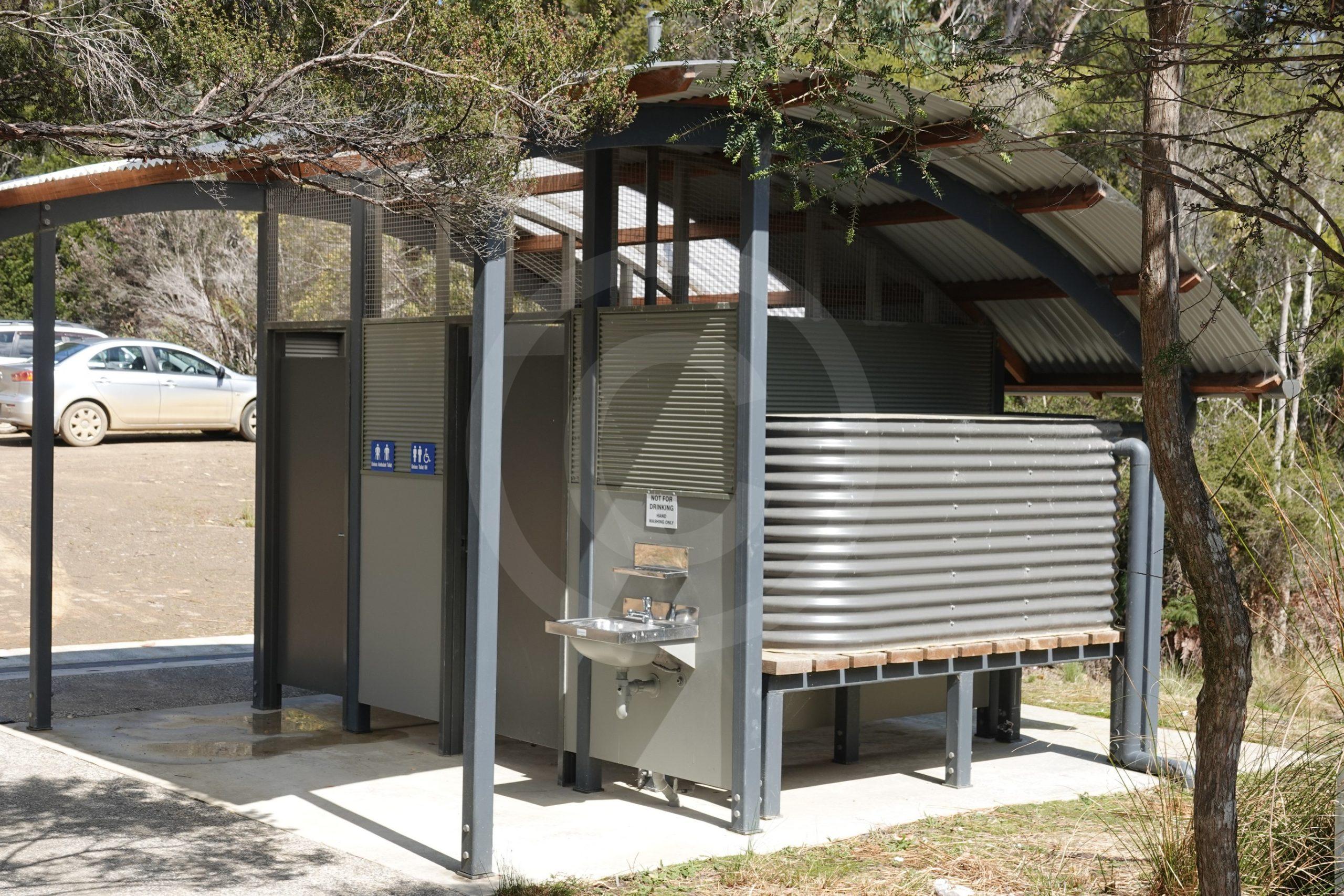
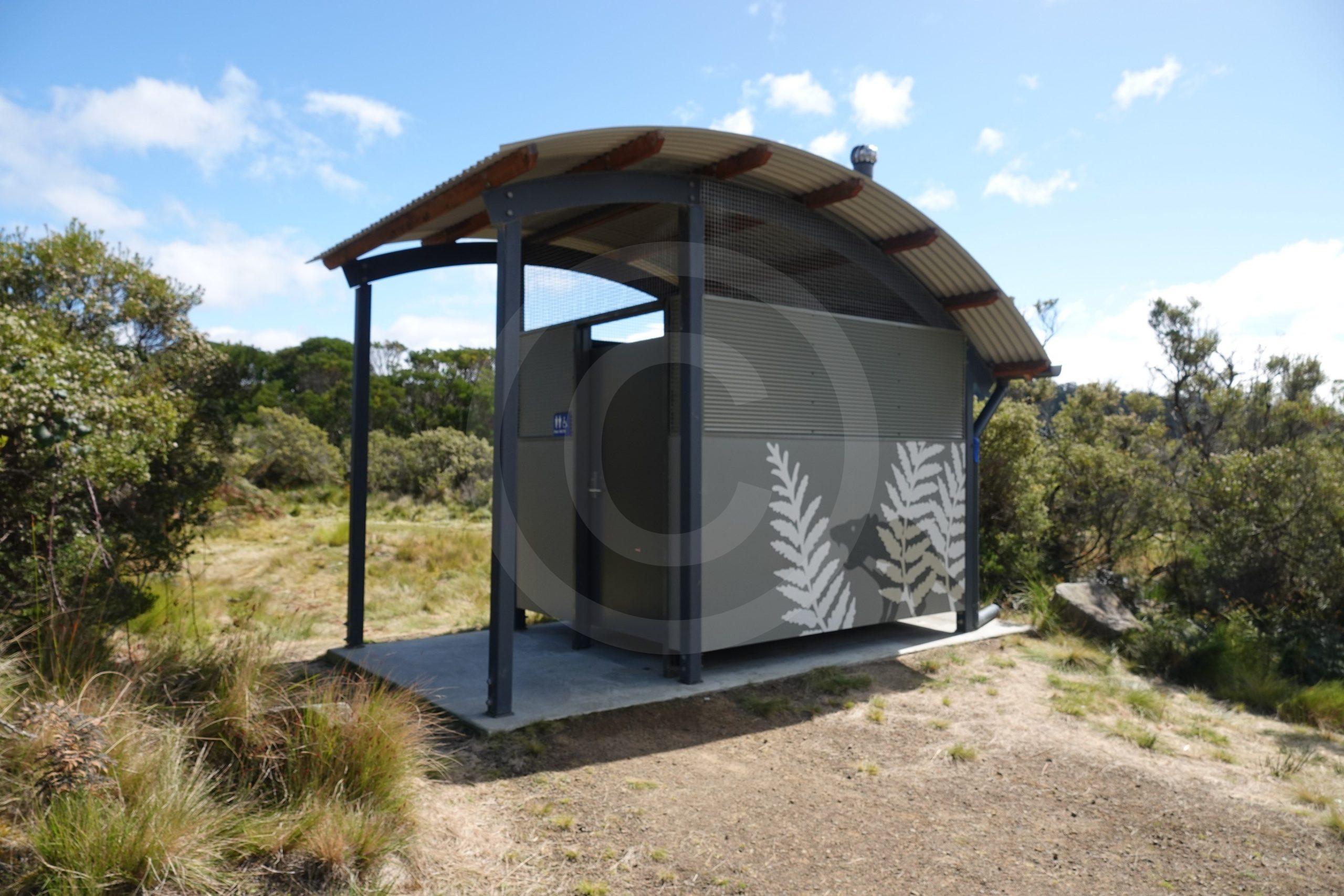
Gillams Beach is a very basic campground that is well signposted and on the right side of the road when travelling in a southerly direction. There is a basic, but clean pit toilet. It is suitable for all forms of camping, but camping in a vehicle is recommended. It is important to note that the campground can get very wet and muddy and difficult to enter and exit if you are in a 2WD vehicle or travelling in a big rig. You could expect to fit a maximum of 20 vehicles at Gillams Beach Campground.
The next campground, and very close, is Finns Beach. It is very similar to Gillams and a very basic campground that is also signposted and on the right side of the road when travelling in a southerly direction. Again, the only facility is a basic, but clean pit toilet. It is suitable for all forms of camping, but camping in a vehicle is recommended. It is important to note that this campground can also get very wet and muddy and difficult to enter and exit if you are in a 2WD vehicle or travelling in a big rig. You could expect to fit a maximum of 10-12 vehicles at Finns Beach Campground.
The next campground, and very close, is Catamaran Campground. It is very similar to Gillams Beach and Finns Beach and is a basic campground that is also signposted and on the left side of the road when travelling in a southerly direction. Again, the only facility is a basic, but clean pit toilet. It is suitable for all forms of camping, but camping in a vehicle is recommended. This campground has a boat ramp, so is popular with fishermen. You could expect to fit a maximum of 12-15 vehicles at Catamaran Campground.
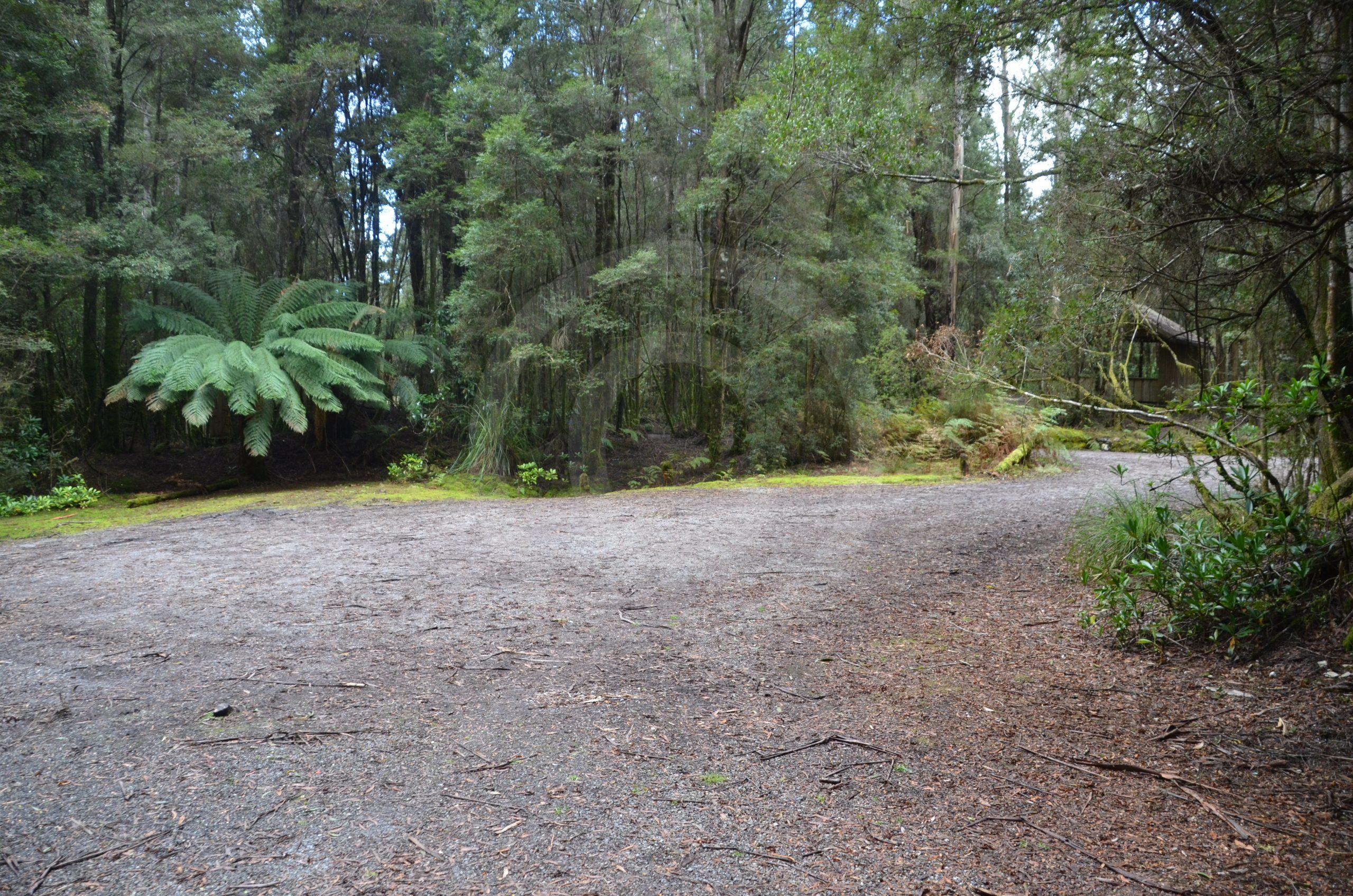
The next campground, and quite close, is Ramsgate Campground. It is again similar to Gillams Beach and Finns Beach and is a basic campground that is also signposted and on the right side of the road when travelling in a southerly direction. It is slightly larger and offers a number of areas, and some with shade and increased privacy amongst the trees. Again, the only facility is a basic, but clean pit toilet. It is suitable for all forms of camping, but camping in a vehicle is recommended. You could expect to fit a maximum of 18-20 vehicles at Ramsgate Campground.
The next campground, and quite close, is Cockle Creek Campground before the bridge. It is a basic campground but extends over a larger area and is also signposted and on the right side of the road when travelling in a southerly direction. Being larger it offers a number of areas, and some with shade and increased privacy amongst the trees and also next to the river. The only facility is a basic, but clean pit toilet. It is suitable for all forms of camping, but camping in a vehicle is recommended. You could expect to fit a maximum of 20 vehicles at Cockle Creek Campground.
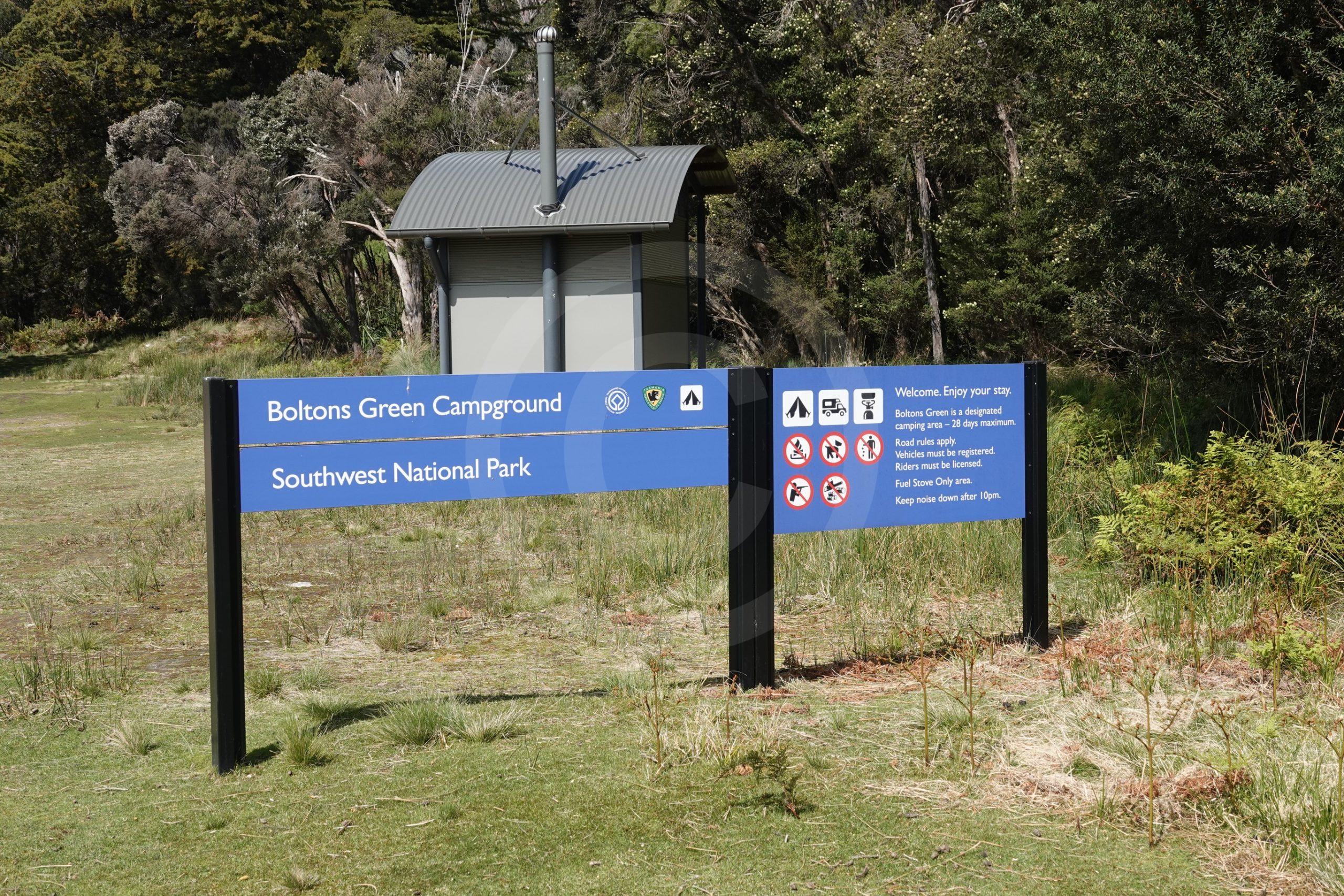
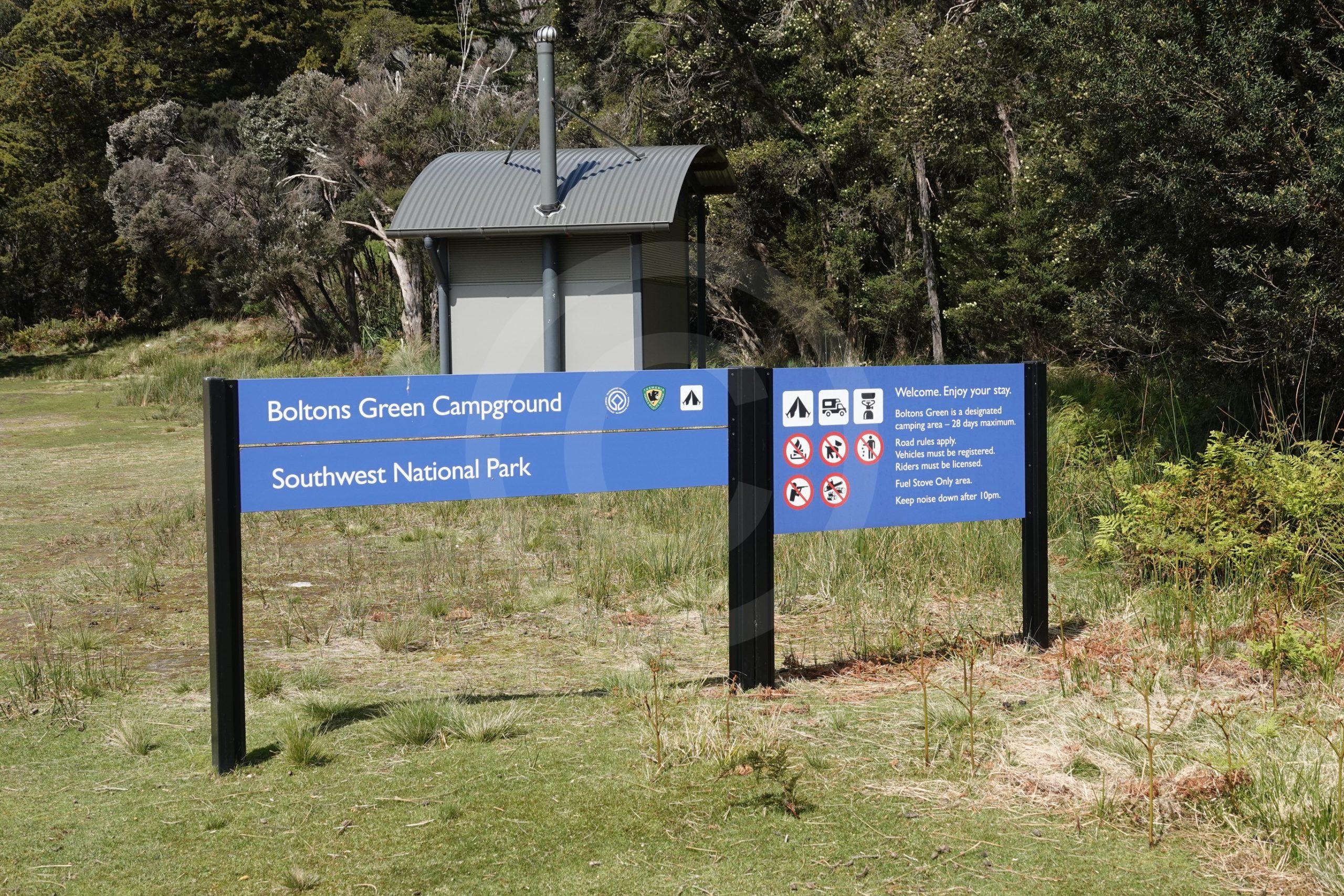
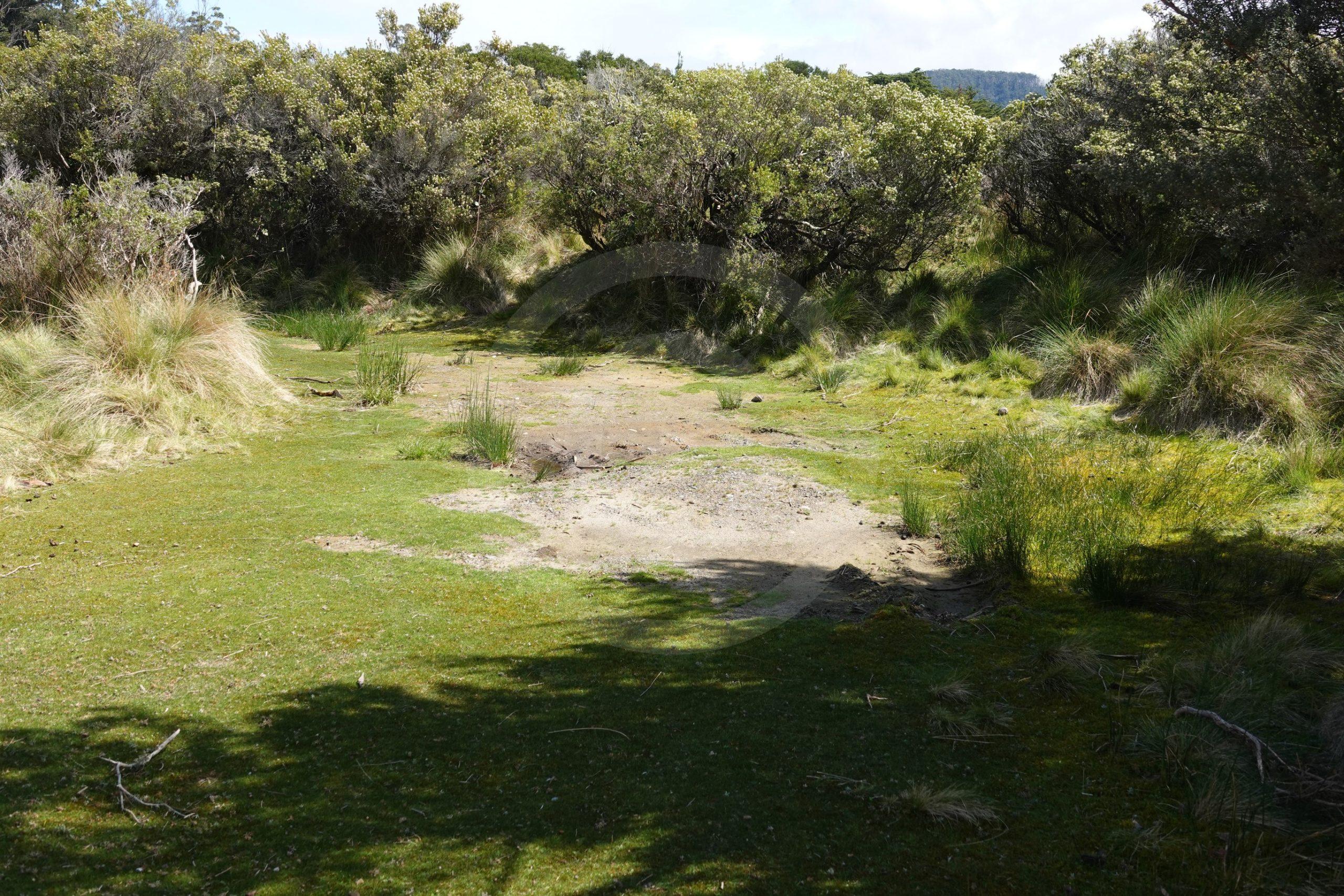
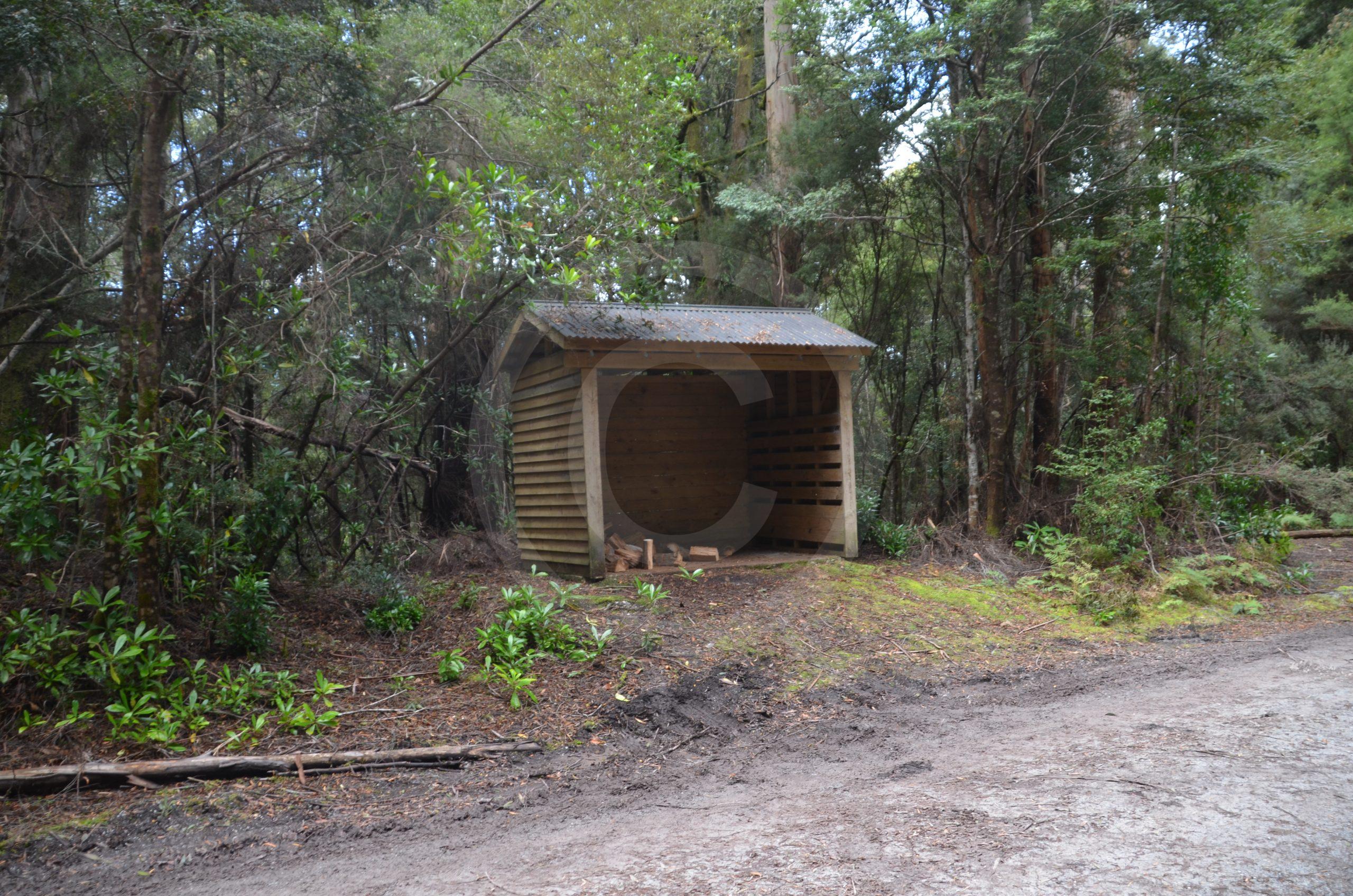
The next campground, and just over the bridge in the National Park is Boltons Green and that is close to the Cockle Creek Campground. It is a basic campground but extends over a larger area and is also signposted and on the left side of the road just past the visitor centre. The only facilities are a couple of clean pit toilets. It is best suited for campervans, camper trailers or tent camping – caravans should typically camp in the campgrounds before the bridge where there is more room. You could expect to fit a maximum of 10 vehicles at Cockle Creek Campground.
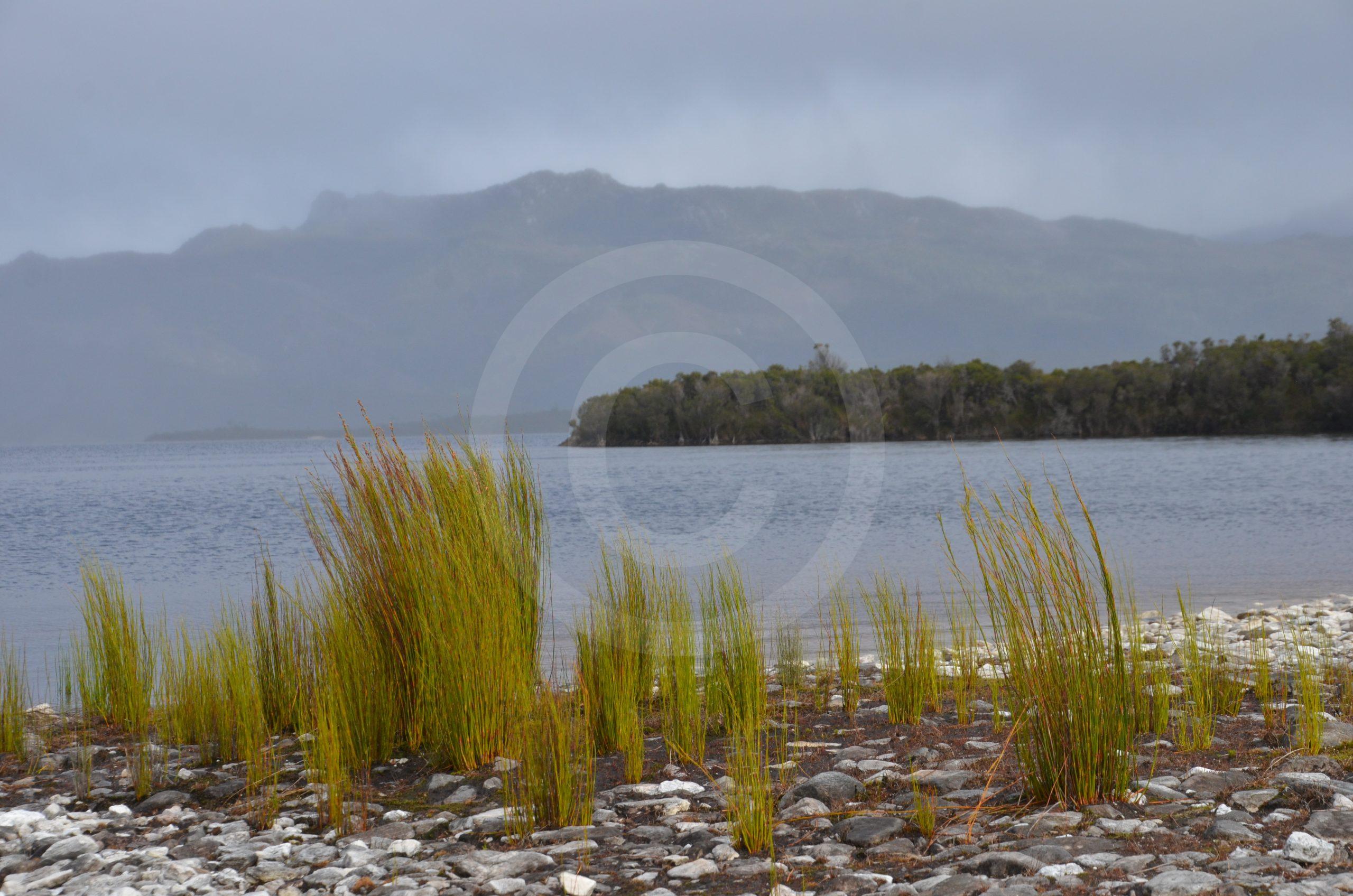
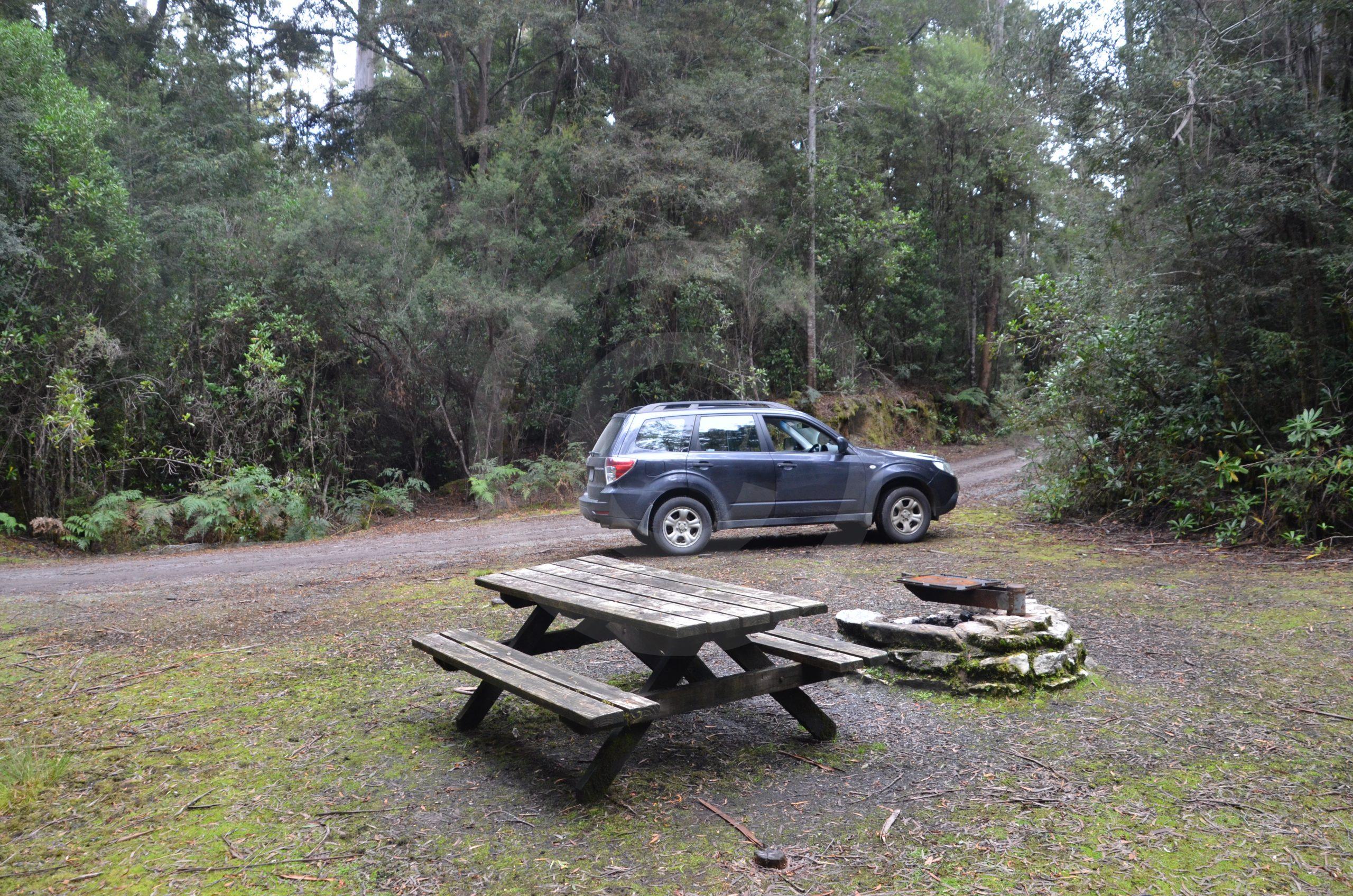
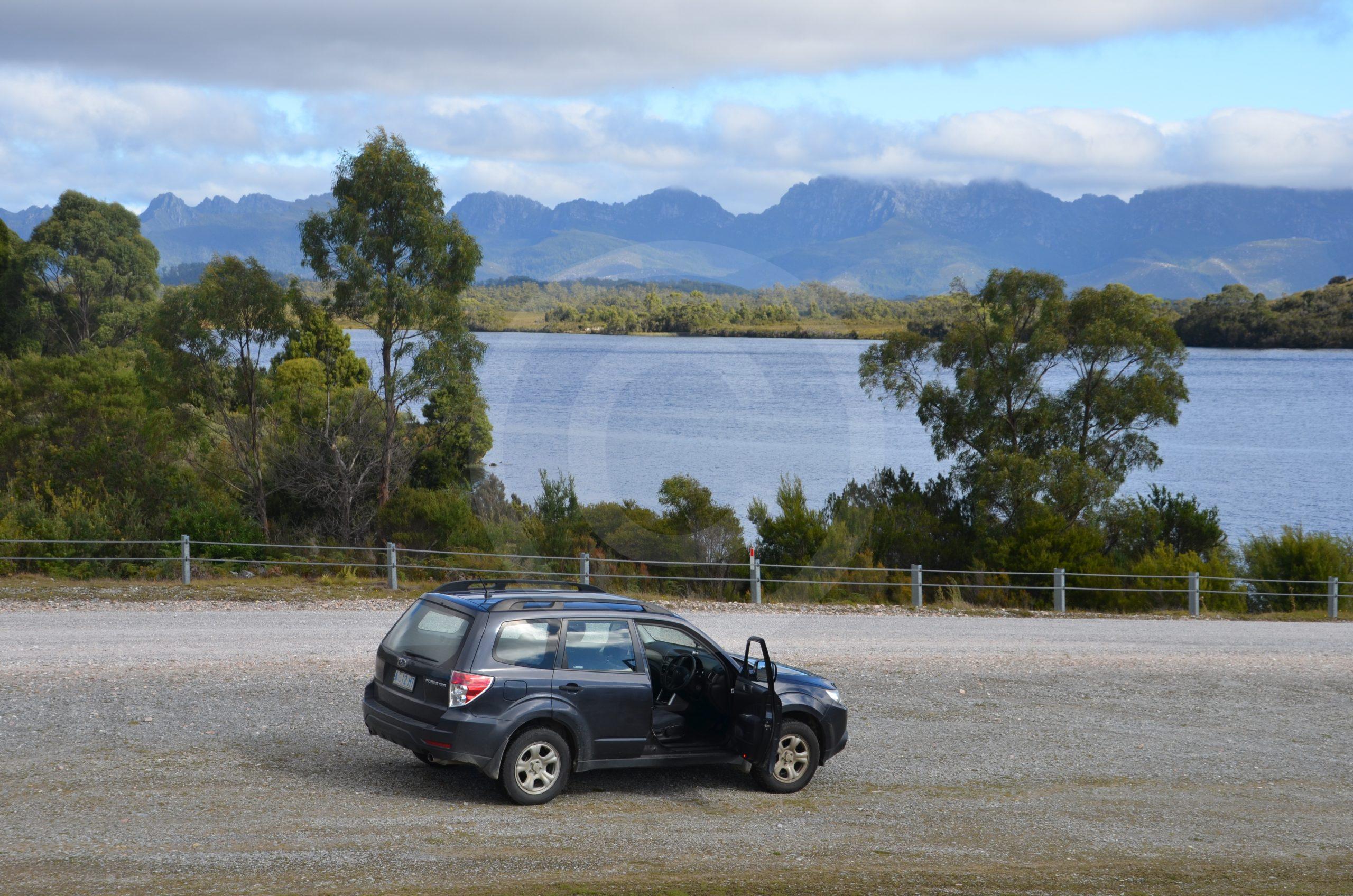
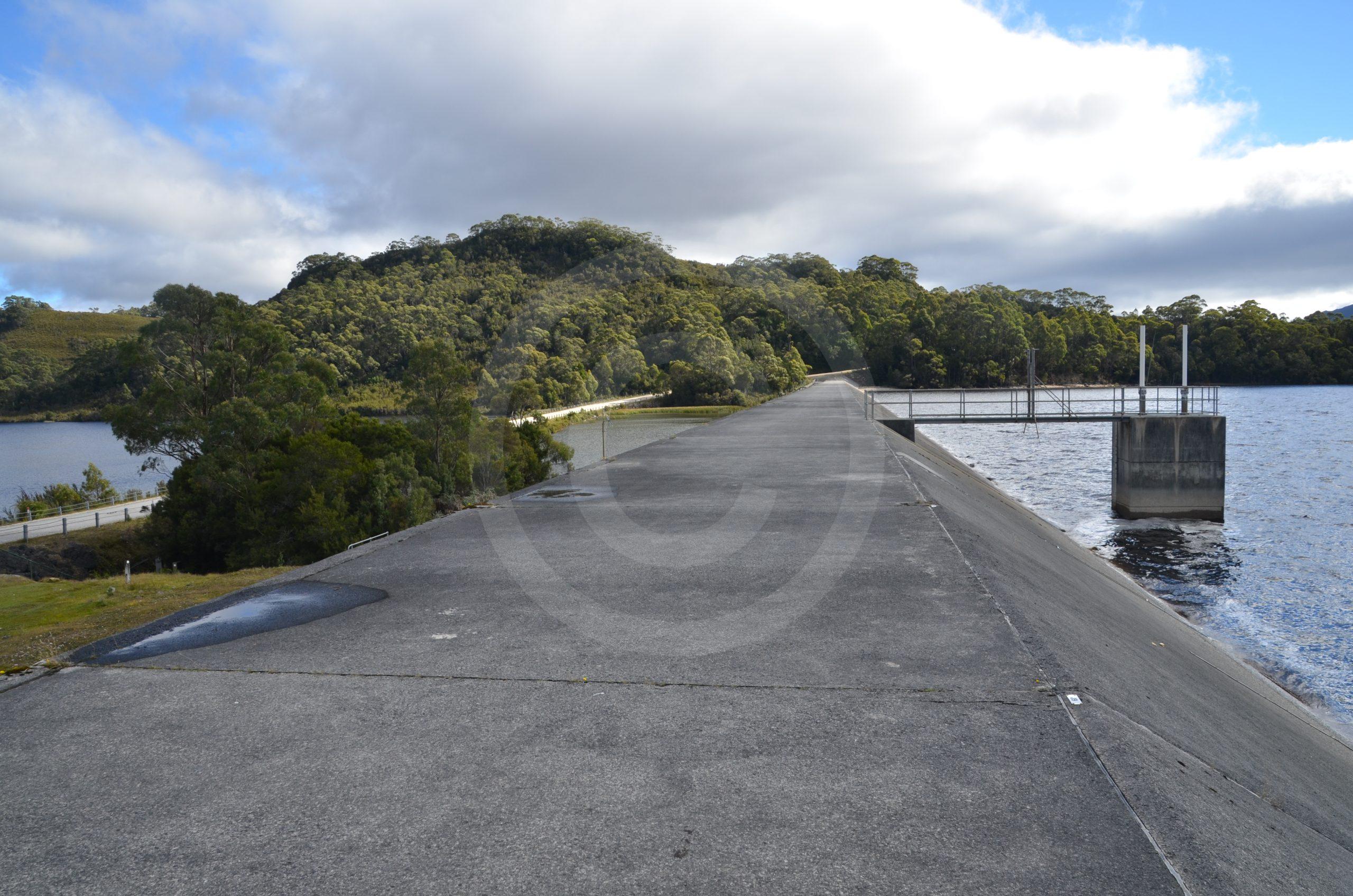
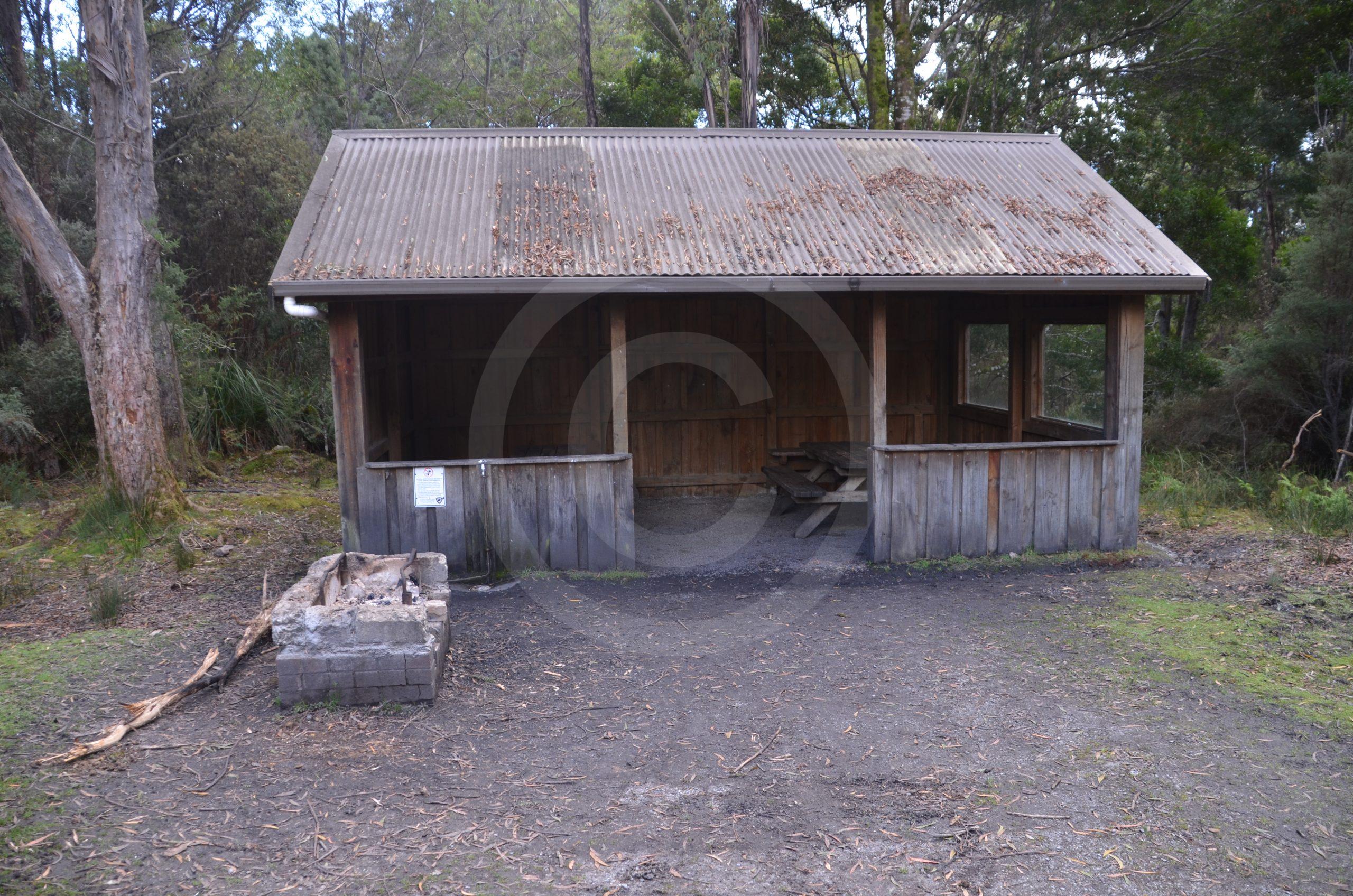
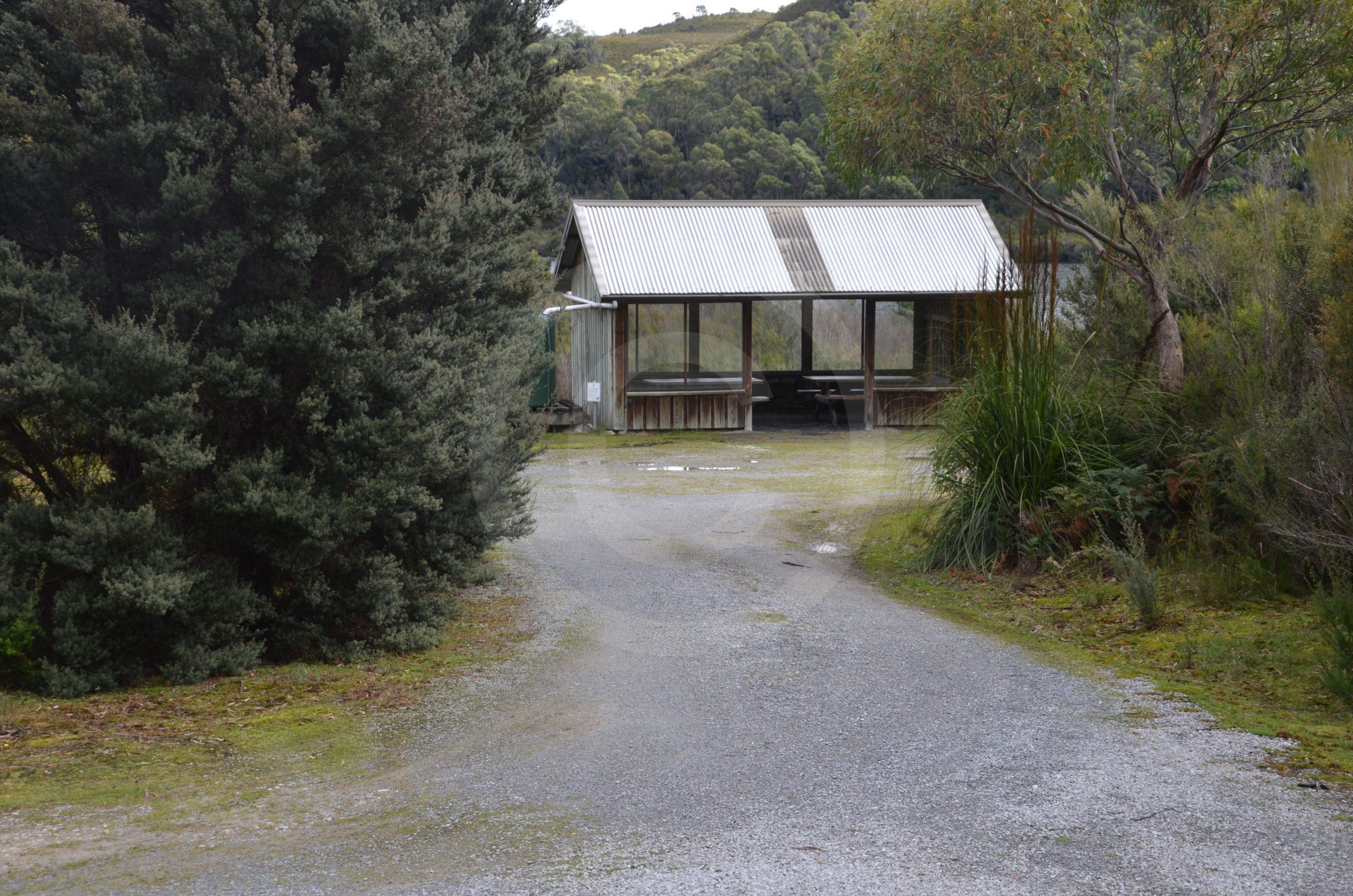
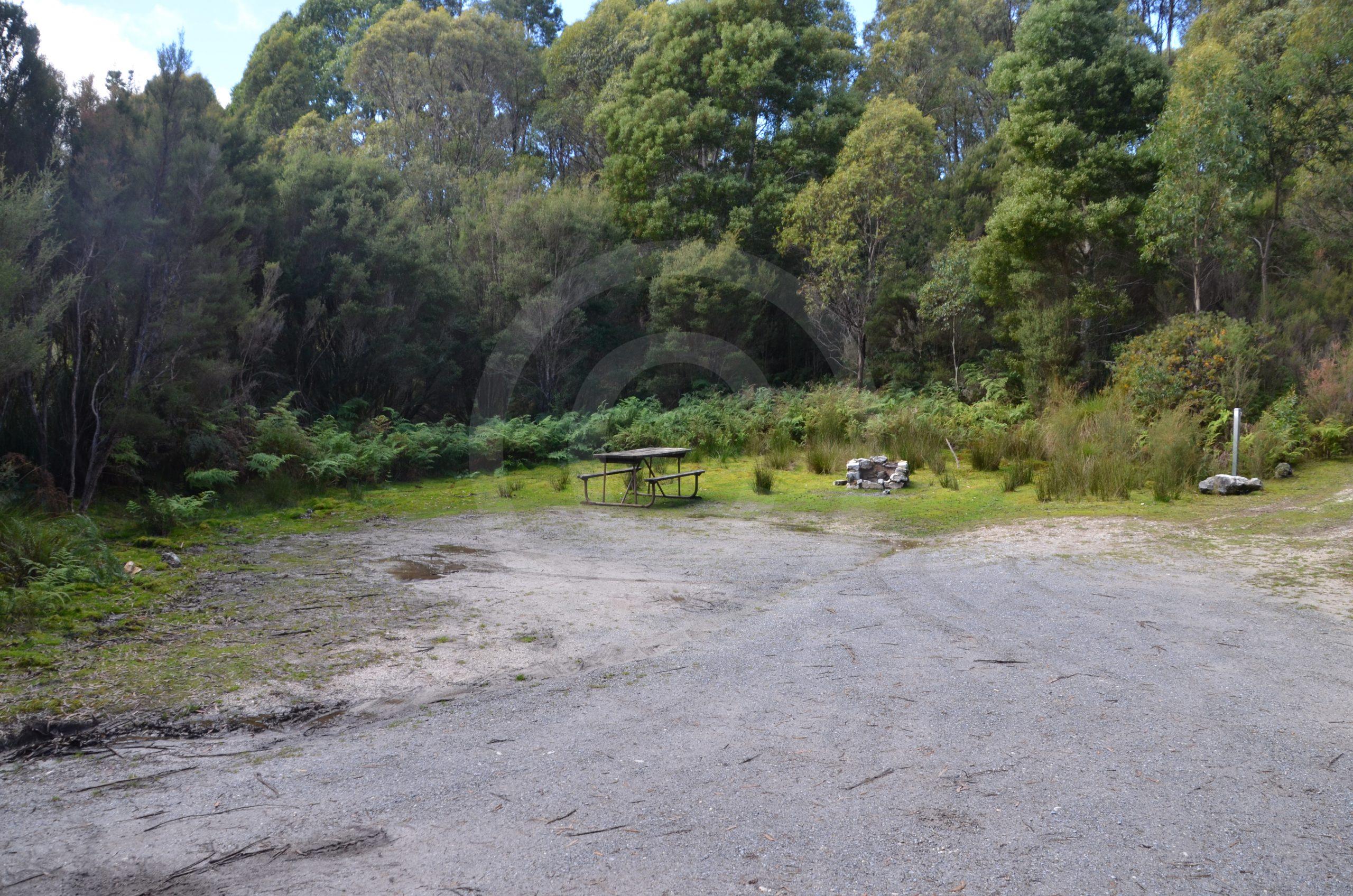
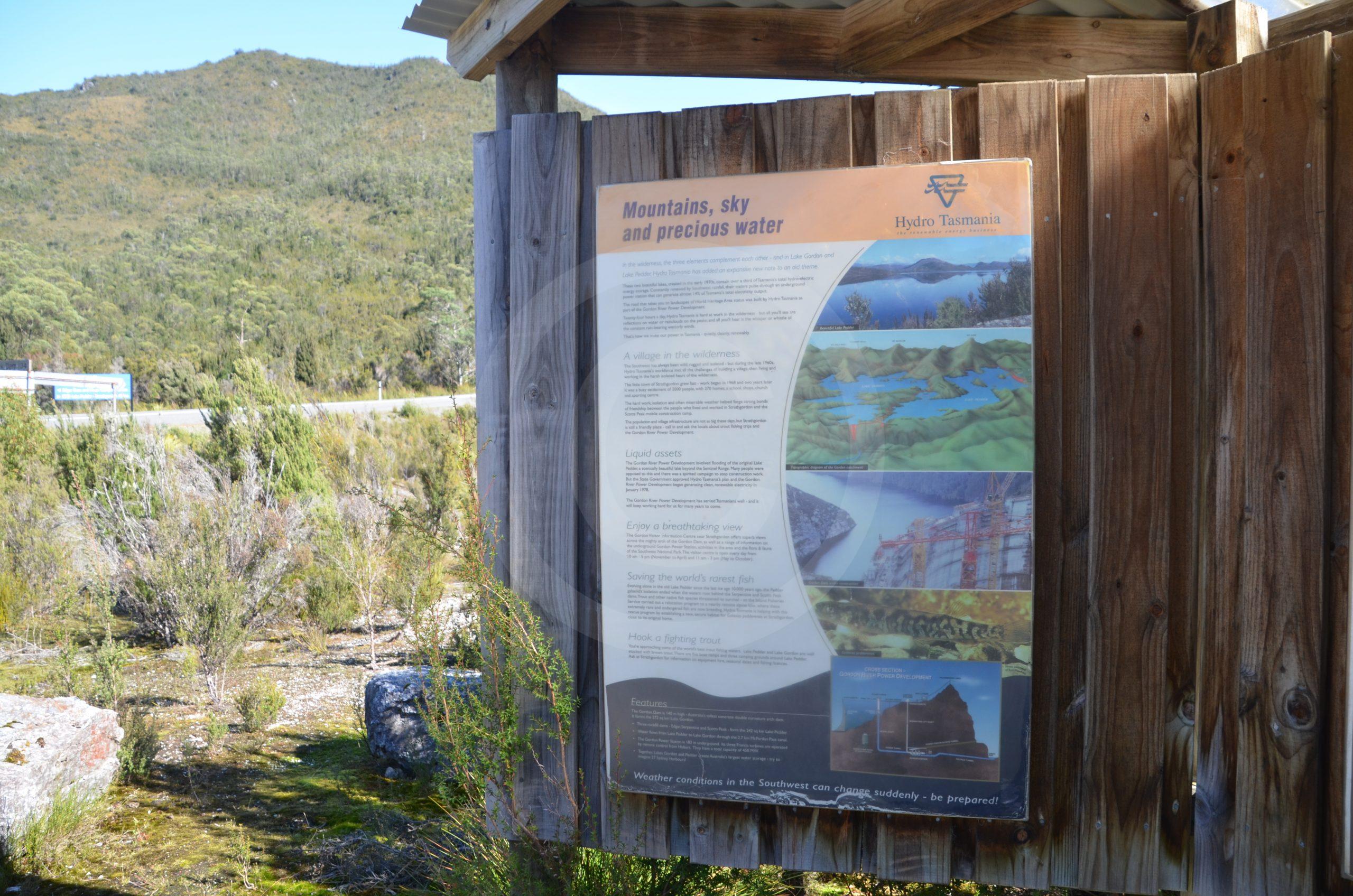
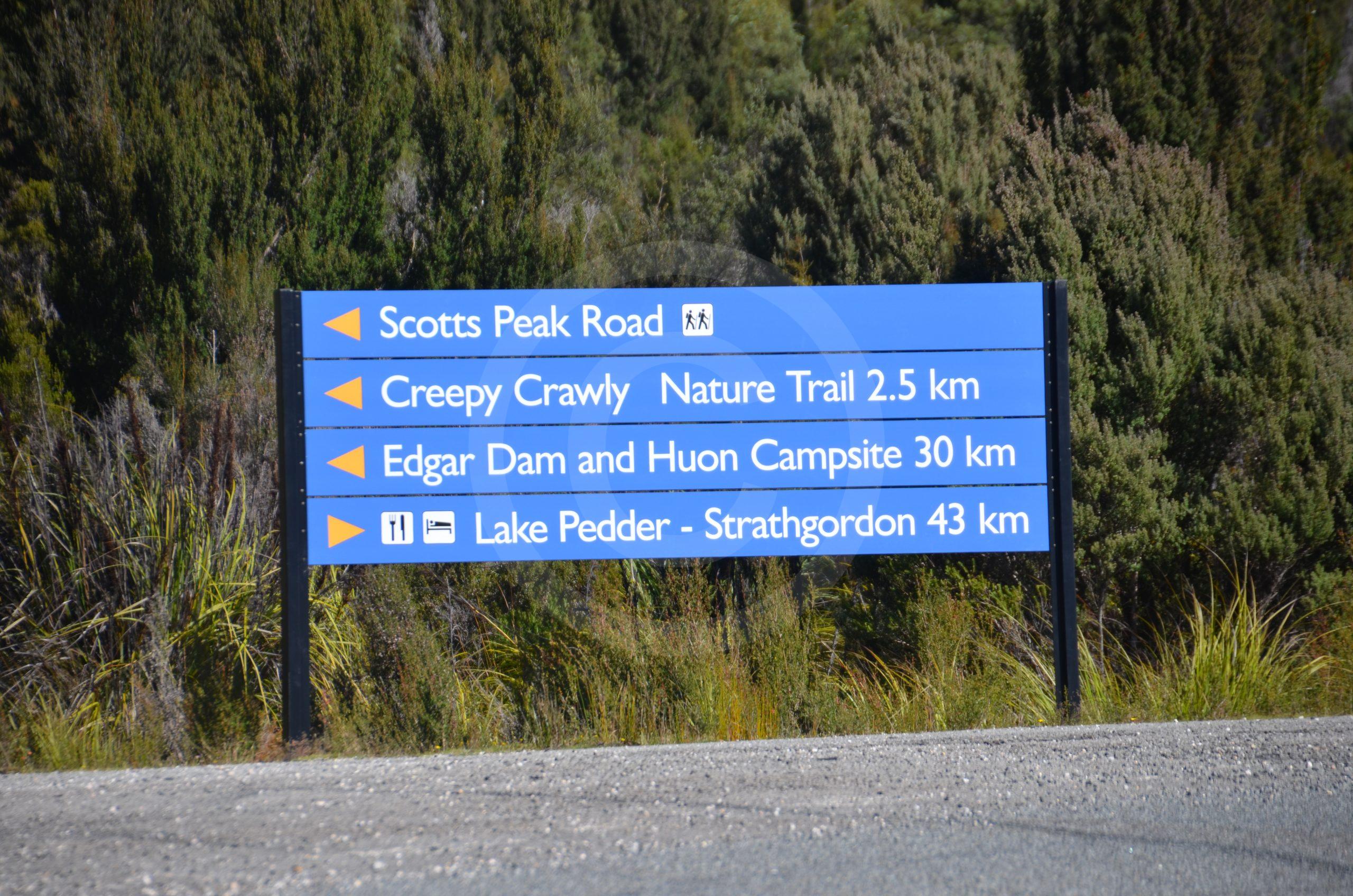
Lake Pedder is located in Southwest Tasmania in the Southwest National Park. To access Lake Pedder, you take a good sealed road and travel some 150 kilometres west of Hobart. Lake Pedder is app. 90 km from Mt Field National Park. Lake Pedder is in Tasmania’s wild southwest wilderness and ringed with rugged mountain ranges that are simply spectacular. Both Lake Pedder and Lake Gordon are popular with fishermen with some of the best trout fishing in Tasmania found in these lakes. The small town of Strathgordon is close to Lake Pedder and also the famous Gordon Dam, the site of one of the world’s highest commercial abseils, run by Aardvark Adventures. Lake Pedder and its companion Lake Gordon, together comprise the largest inland freshwater storage in Australia, covering more than 500 square kilometres and holding over 37 times the volume of water than Sydney Harbour. When travelling to camp in the Lake Pedder area please take suitable clothing and equipment as the weather conditions can change quickly – it isn’t called the Wild Southwest for no reason! Snow, rain, wind and sun are all possible at any time of the year. A valid Tasmanian National Parks pass must be purchased for entry to the Southwest National Park and to camp in the Lake Pedder area. Striclty NO PETS
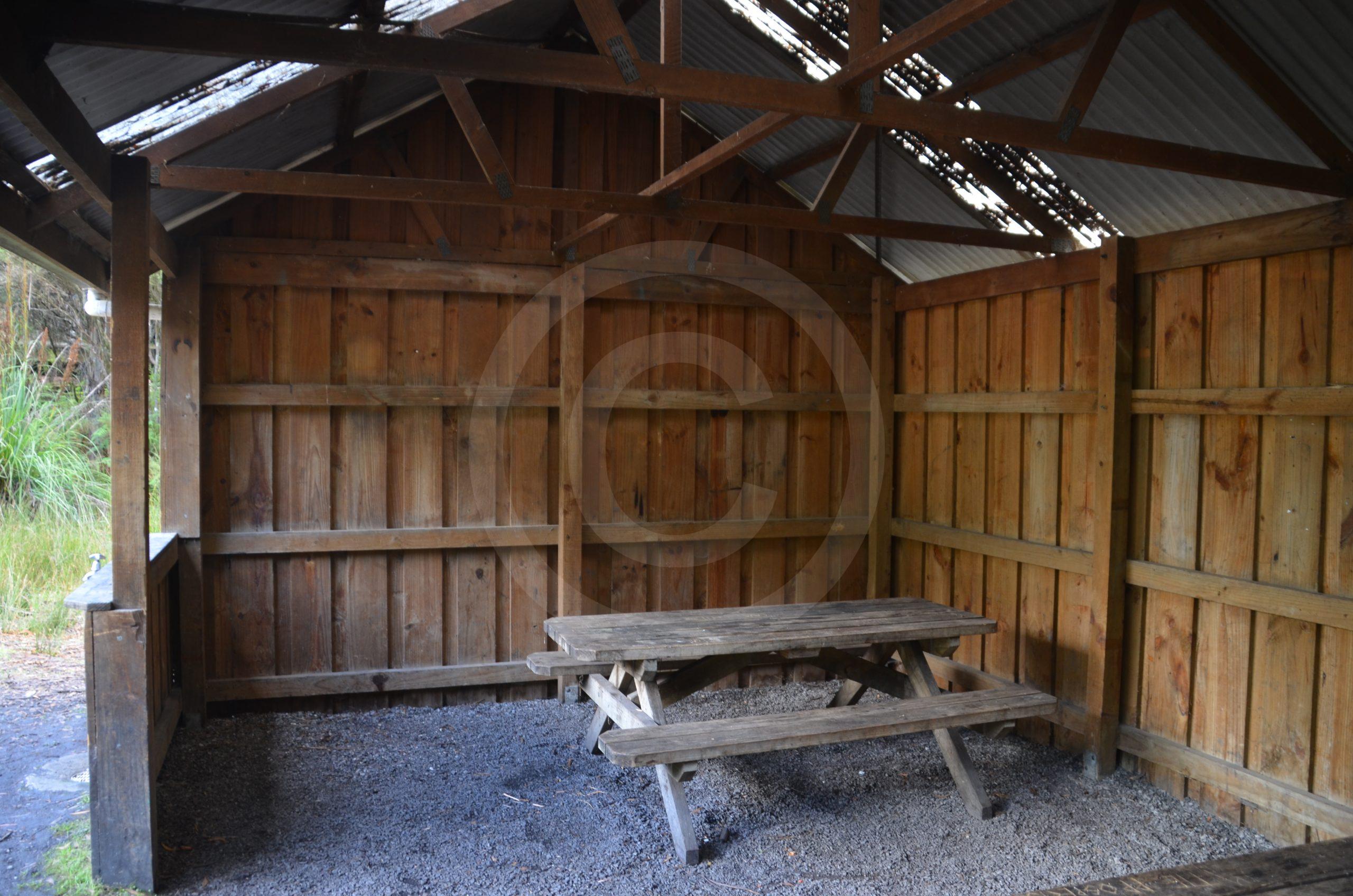
There are three excellent campgrounds at Lake Pedder – click on each of the following links to explore each campground, where you will also find short videos of the campgrounds. Wildlife is very common in this area, so please take care when driving, never feed native animals and don’t leave food lying around or your tent open as you will likely receive a visit from a possum in the middle of the night.
South Bruny National Park is a popular location for campers, with sites providing easy access to swimming, fishing and water activities, together with stunning coastal walks, and beach exploration. There are 2 separate sites at Cloudy Bay – The Pines on Cloudy Bay Road is a small site, ideal for surfers drawn to the waves and bushwalkers keen to explore the area. At the far end of Cloudy Bay, the Cloudy Corner site is larger, but only accessible to 4WD vehicles and requires a 3 km drive along the beach at low tide. No bookings possible – campsites are allocated on a first come, first served basis. Self-registration deposit boxes are situated at each campground, meaning you must carry cash to pay. A pay display kiosk is located at Jetty Beach for credit card payments.
$10 per night for 2 persons
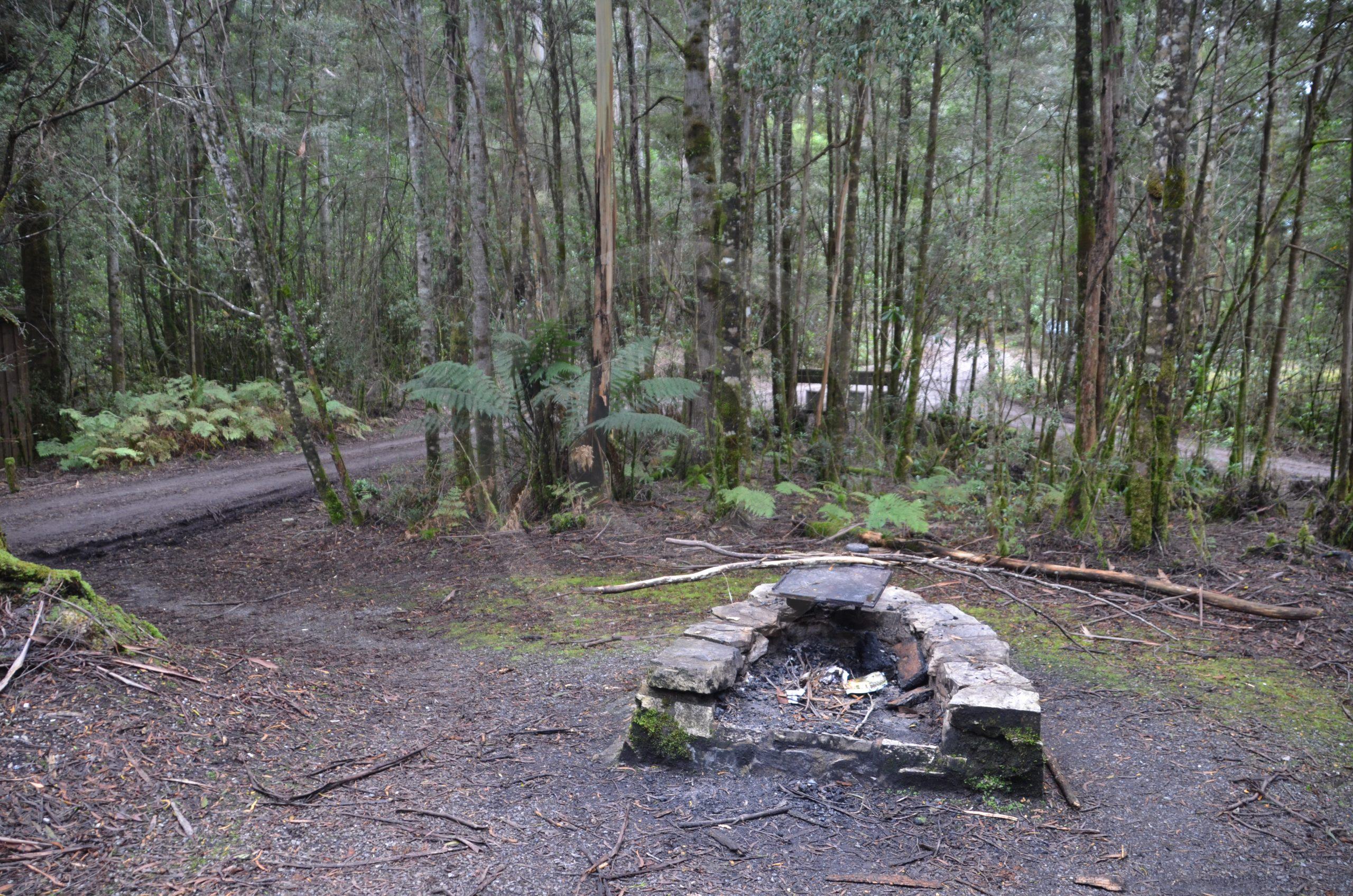
Campfires OK
Basic facilities
No bookings
Suitable tents, caravans, campervans
Next to beach
Very busy / popular during long weekends, Easter, Christmas and school holidays
If you have time left, our last recommended stay is ar Arve River campground. This is a great little campground located in the Tasmanian wilderness in the Hartz Mountains National Park, just outside the township of Geeveston. This camping area is best suited to tent-based camping, however, there is limited room for small caravans, campervans, rooftop tents, or camper trailers. There is water available from a tank on-site, and generally, there are small amounts of firewood available at the campsite most times. Please boil the water before drinking. The Hartz Mountains are twin mountains located in this area, some 55 kilometres southwest of Hobart.